
F56 Tuning
MINI's Hardtop 2-door Cooper S, Hardtop 2-door John Cooper Works, Hardtop 2-door JCW GP3, 2014–2024. Powered by the B48 engine family.
Stage pricing for the F56
Cooling, downpipe, fueling — the ceiling worth chasing on factory turbos.
Build this stage Stage 2 methodologyBigger fueling, often a hybrid or Phantom turbo. Per-car.
Build this stage Stage 3 methodologyEverything else in this catalog drives the rear wheels. The F56 MINI doesn't — and that's the point. Among M cars, the MINI is the wildcard: a short, stiff, front-drive hot hatch that's more fun on a tight, broken back road than cars with twice the power, precisely because you can actually use all of it. It's a different flavor of fast, and it scratches an itch nothing else here does.
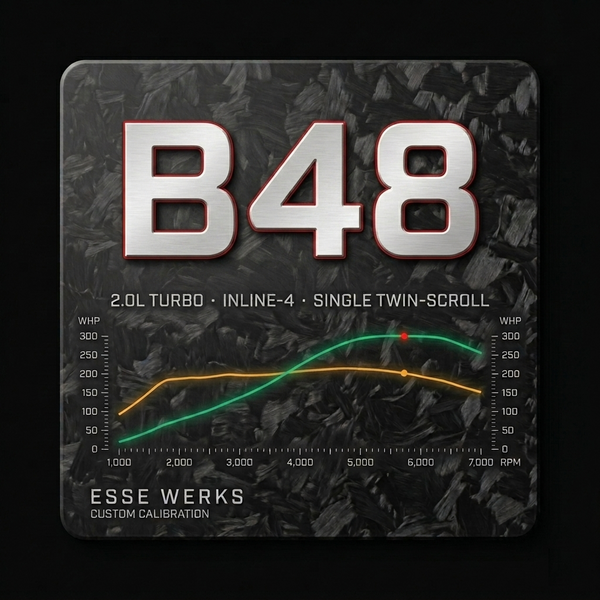
Under the hood it's more familiar than the badge suggests. The Cooper S and JCW both run the B48 — the same 2.0-liter turbo four BMW drops in the 330i, so its tuning story (on the G20 page) carries straight over. The Cooper S makes 192 hp; the JCW steps up to around 230. Both take a tune well — tuned B48s commonly land near 300 hp, roughly a 30% bump the engine handles without forged internals. And for the genuinely unhinged, the limited JCW GP — about 3,000 built worldwide, rear seats deleted, a bigger turbo, ~301 hp — exists as proof of how far the platform stretches.
But front-wheel drive asks two things of you, and ignoring them is how people end up frustrated. First, torque steer: at JCW power the front axle tugs the wheel under hard throttle — manageable with smoother inputs and far better on proper tyres than the factory runflats, but part of the deal. Second, and more important the moment you tune: LSPI (low-speed pre-ignition). The B48 is a strong engine, but pushed with the wrong fuel, an over-rich low-rpm mixture, or high-calcium oils, cylinder pressure can spike at low engine speed and crack a piston ring land. It's entirely avoidable with a sane calibration, good fuel, and the right oil — which is exactly why on these cars the *tune* matters more than the hardware.
Set up right — good tyres, a proper calibration, the correct oil — the F56 is the most accessible kind of quick: a giant-killer on the road that doesn't need a track or a license-ending speed to come alive. It's the one car here you buy for the corners, not the straights.
Parts that fit the F56
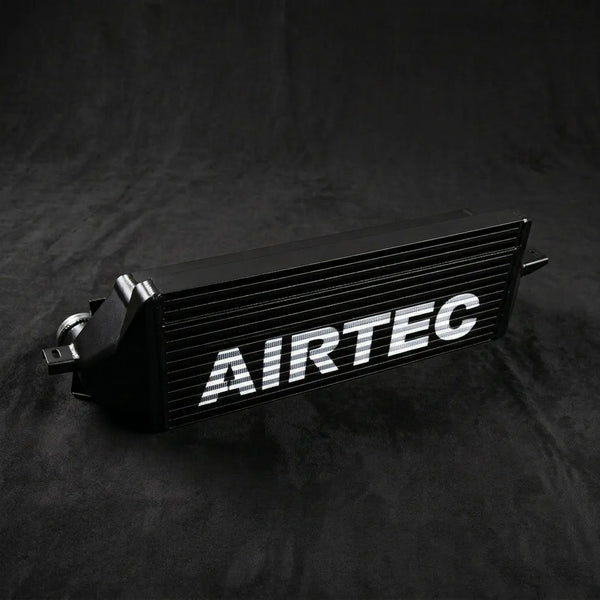
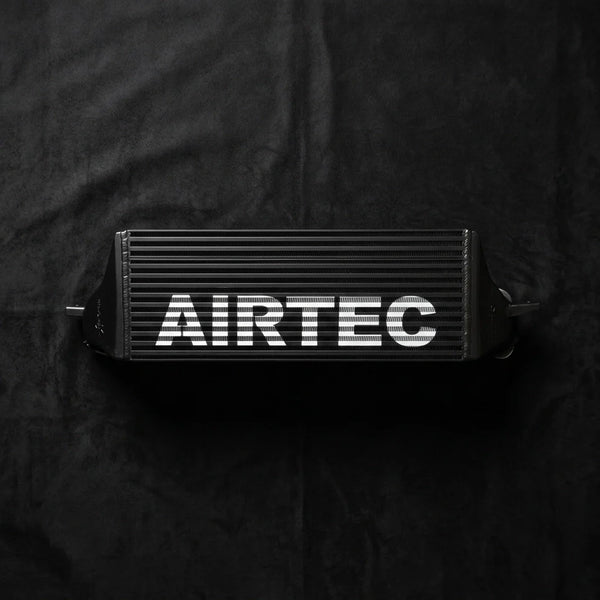
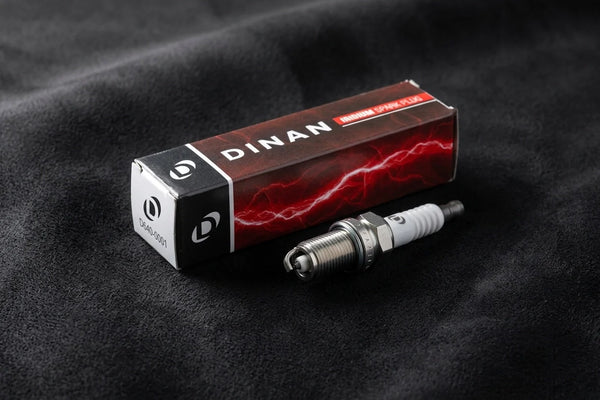
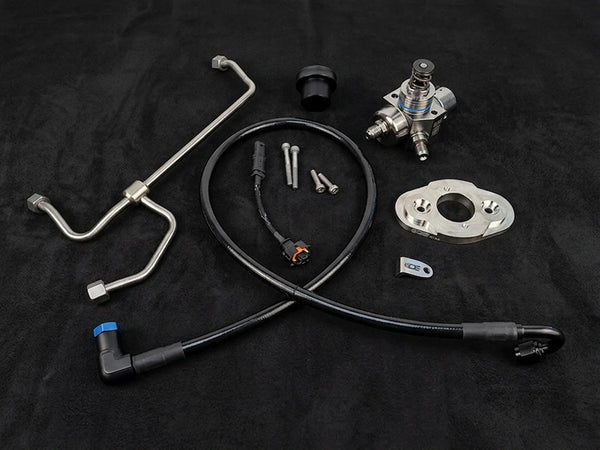
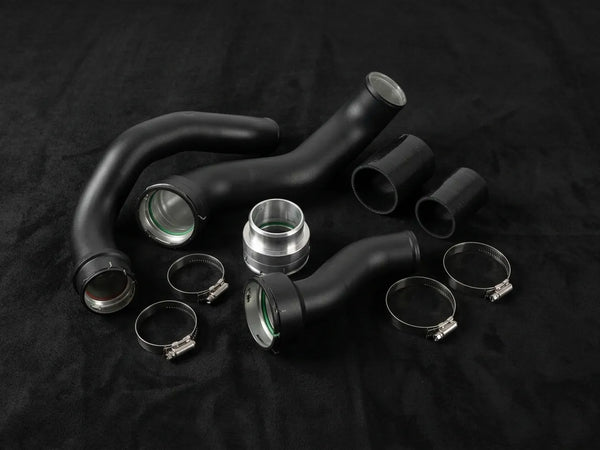
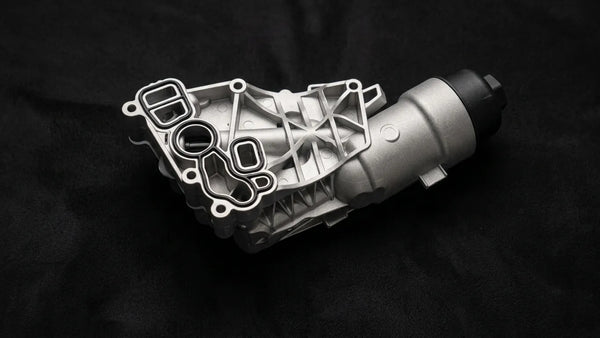
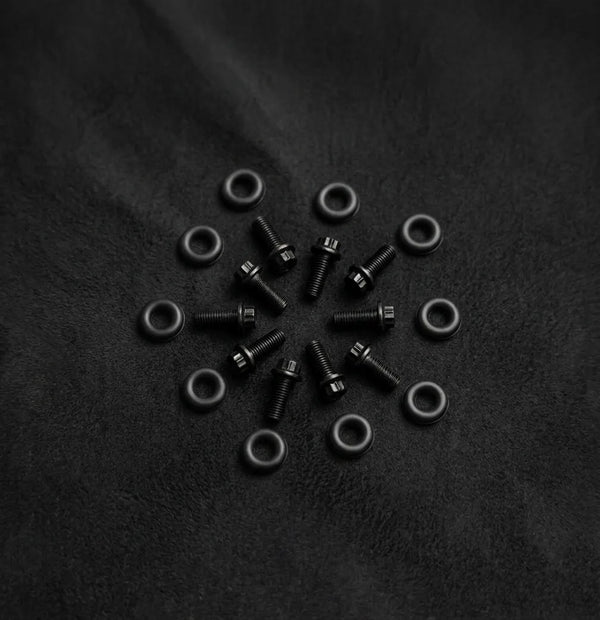
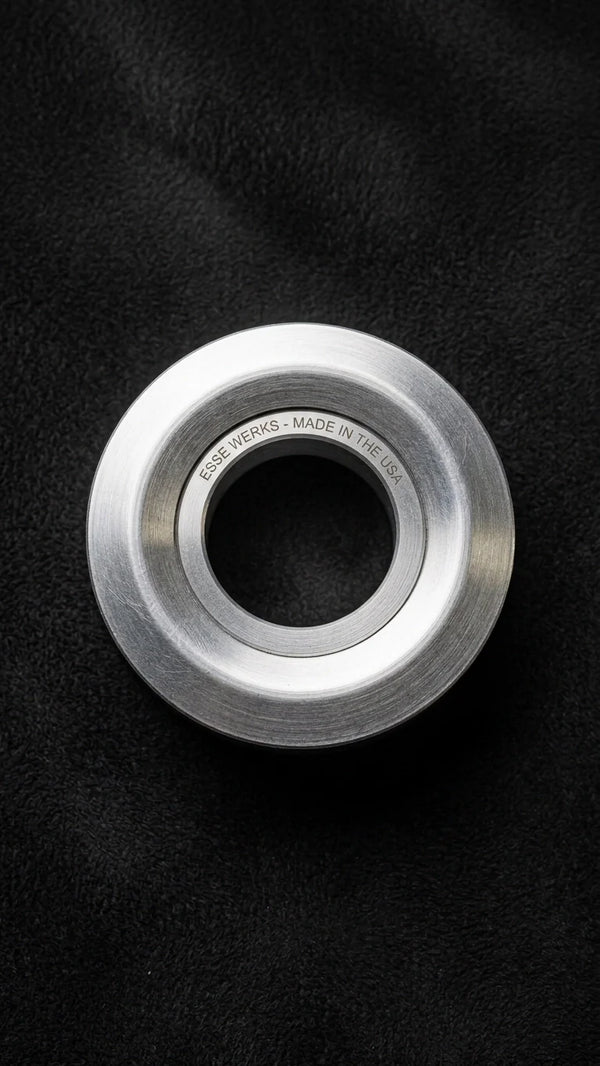
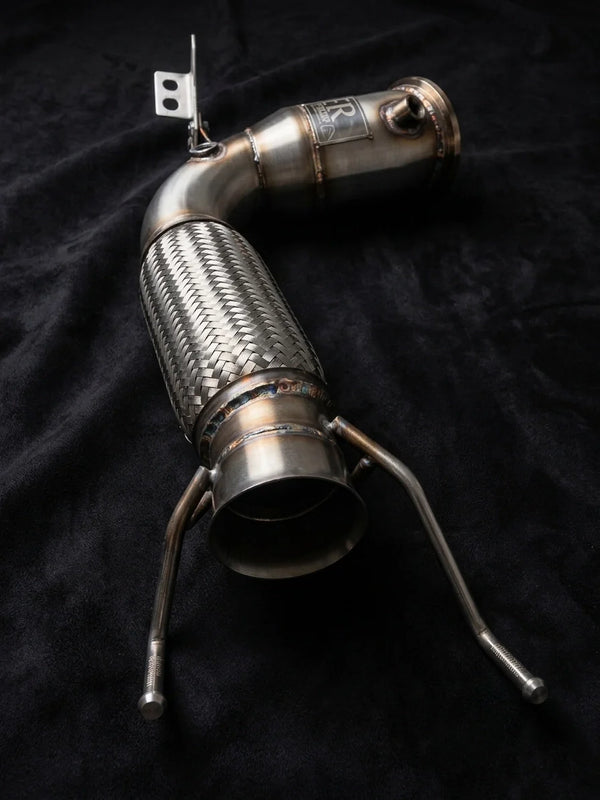
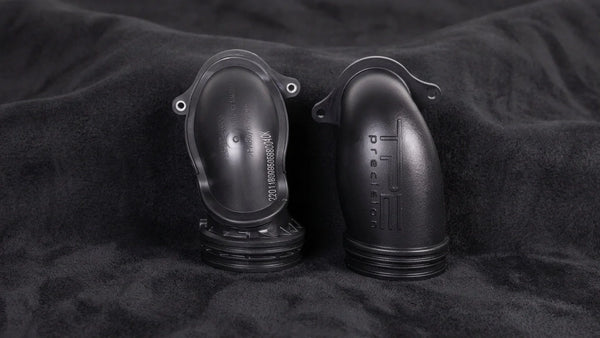
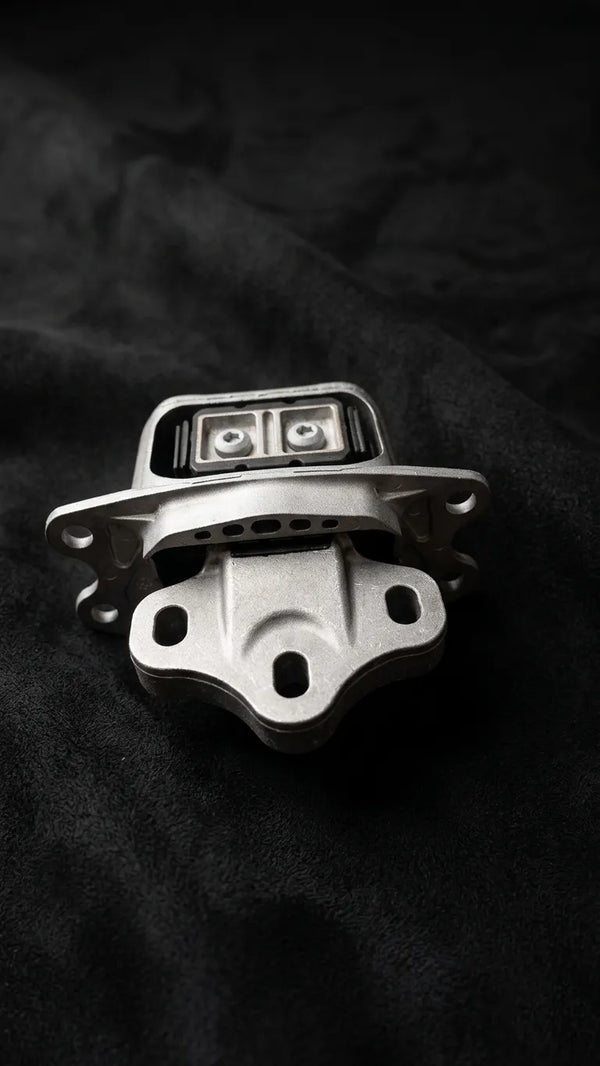
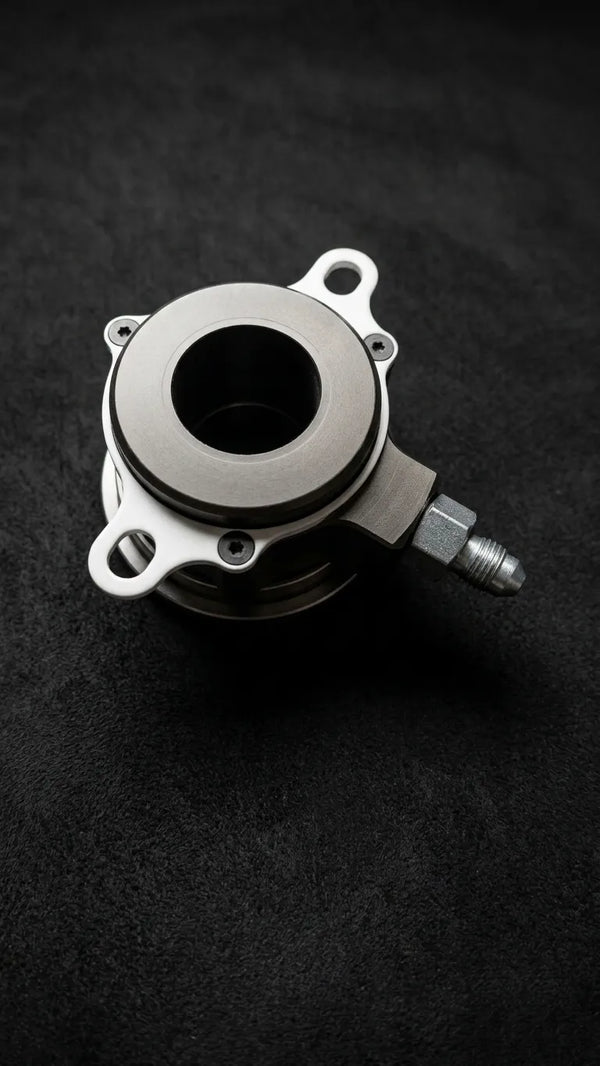
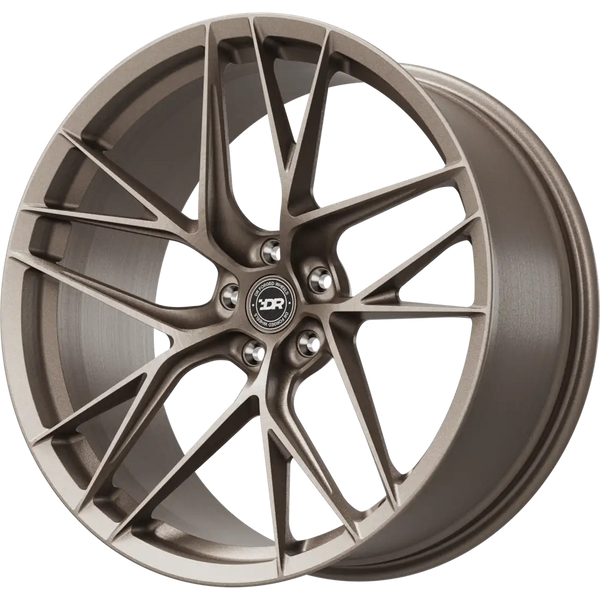
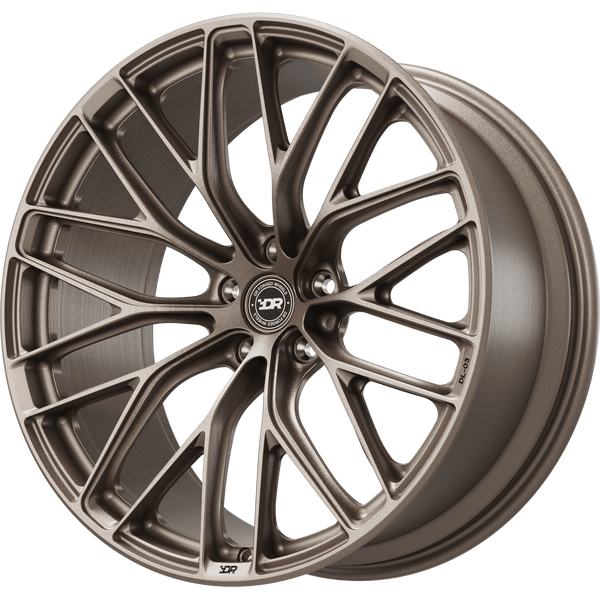
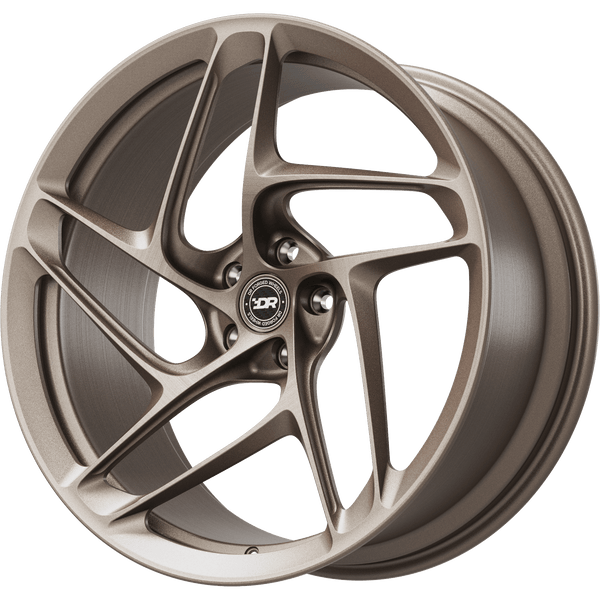
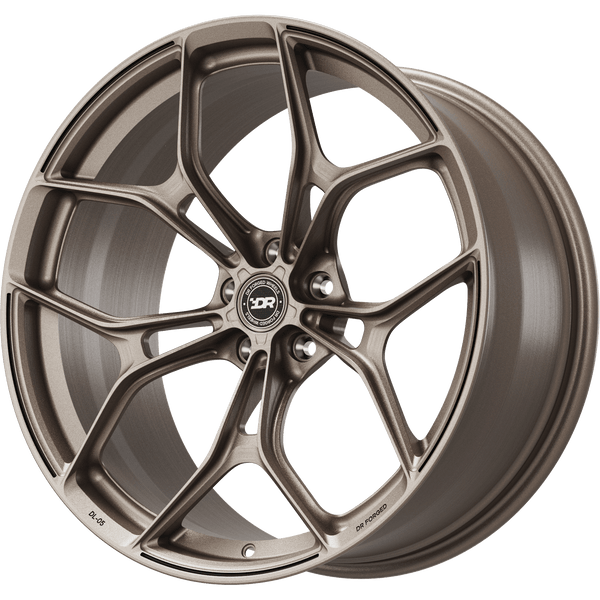
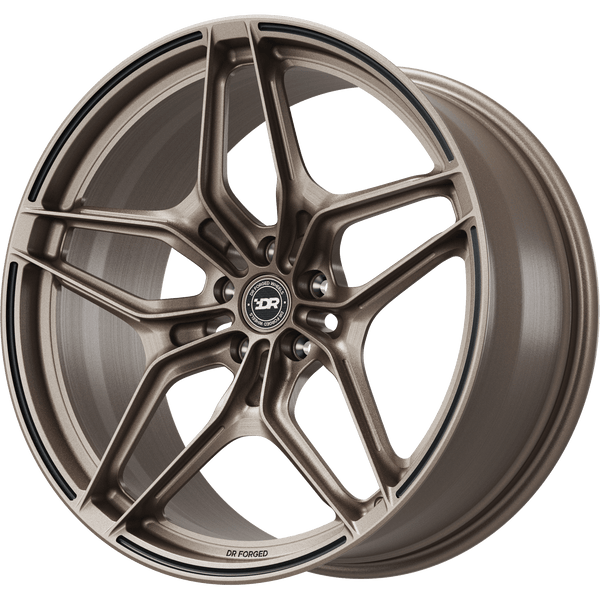
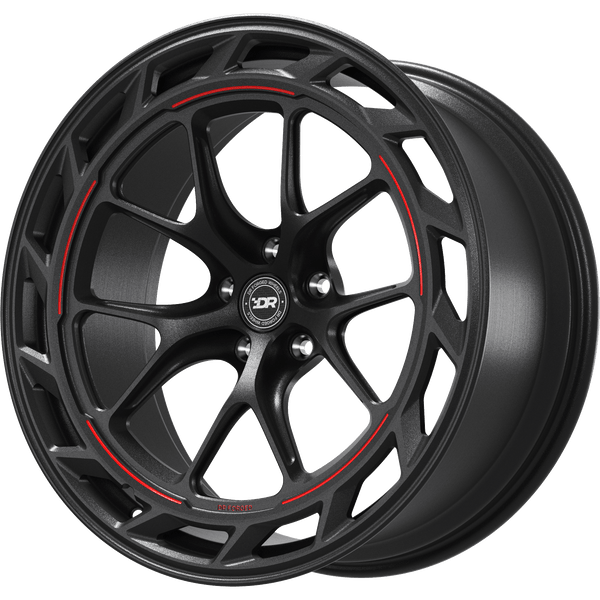
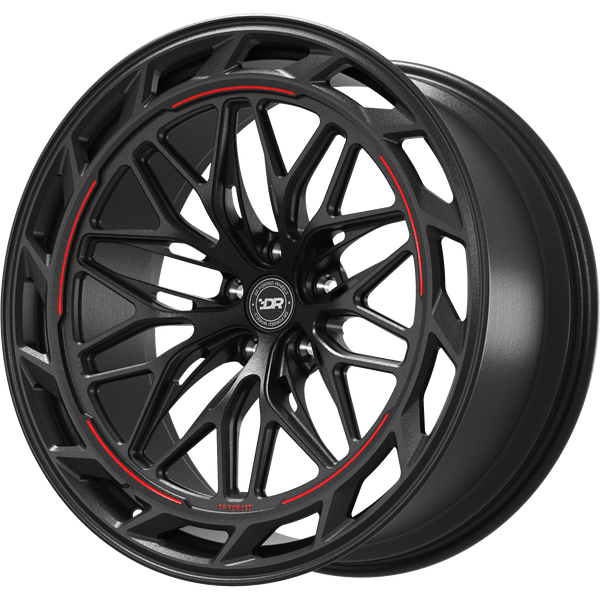
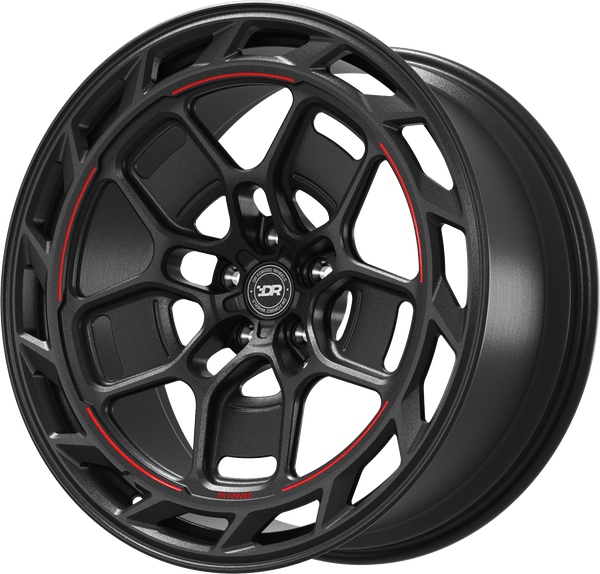
DR Forged wheels for the F56
Custom, made-to-order forged wheels — built to your car's spec, so any of them fits the F56. Pick the look; we build the fitment.
Tech essays for the F56
Tuning and Your Warranty: What's Reversible, and What's Actually Detectable
The honest version of the warranty question — what Magnuson-Moss actually says, what we flash back before a dealer visit, and what...
ReadUpgraded Stock-Frame Turbos: Response vs. Max Power — Why We Build Two
Why we build two upgraded stock-frame turbos: Stage 1 for response and driveability, Stage 2 for maximum power from the stock frame...
ReadB48 Tuning Guide: Stages, Supporting Mods, and What Actually Holds Up
The definitive B48 platform reference for BMW and MINI owners: what each stage changes, which supporting mods Stage 2 needs, when the...
ReadBMW B48 Engine: Specs, Reliability, Problems, and How It Tunes
The engine we know best. Closed-deck, forged bottom end, and quietly related to a 600-hp DTM race engine. Specs, the real problems,...
ReadUpcoming events
Cars & Coffee Broward
Cars and Coffee Miami
Cars & Coffee Delray Beach
Set the F56 as your garage vehicle and the rest of the store filters to what fits it.
Set vehicleBefore you tune.
Will my dealer flag the tune at service?
The bootmod3 flash is non-destructive and reversible. Revert to stock before a dealer appointment and the ECU is back to factory in a few minutes; re-flash after service. We document the revert step in writing so the next person opening your file knows what's there.
Is it safe for the engine?
Every tune we ship has been datalogged on the car it was written for. We look at knock counts, fuel trims, boost behavior, and intake temps before we sign off. If the numbers don't sit right, we revise. That review and the revision policy are built into what the tune costs.
How long until I have a working tune?
Most calibrations turn around in a few days. We log, review, and revise before anything ships — we would rather get it right than get it out fast.
Can I go back to stock?
Yes. bootmod3 supports a stock revert that returns the ECU to factory calibration in under five minutes. The flash is non-destructive — nothing in the BMW DME is permanently modified. Most owners revert before trade-in.