
F80 Tuning
BMW's M3, M3 Competition, M3 CS, 2015–2018. Powered by the S55 engine family.
Stage pricing for the F80
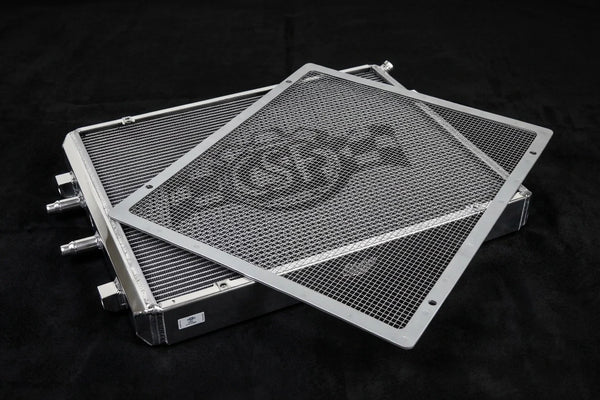
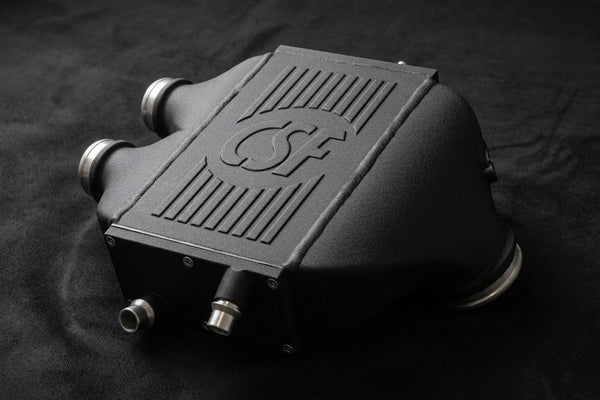
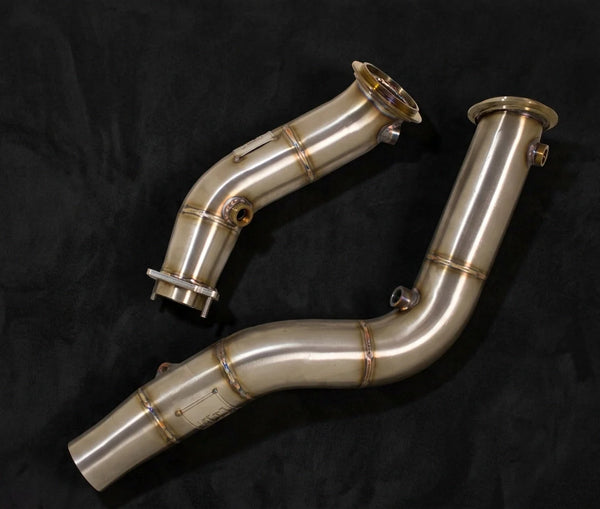
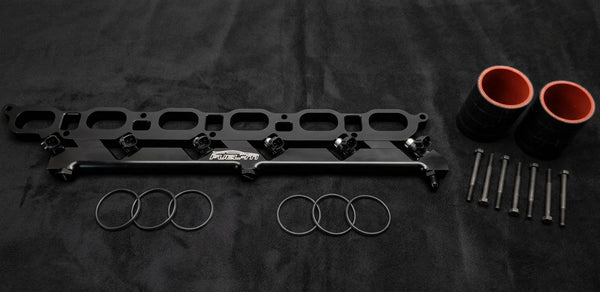
Cooling, downpipe, fueling — the ceiling worth chasing on factory turbos.
Build this stage Stage 2 methodologyBigger fueling, often a hybrid or Phantom turbo. Per-car.
Build this stage Stage 3 methodologyThe F80 was the M3 that broke tradition, and it took years of flak for it: two turbos where there had always been a naturally aspirated engine, a piped-in soundtrack, a purist backlash that showed up before the car did. What got lost in the noise is that the F80 has quietly become one of the best tuning values BMW M has ever built — and the reason is the S55.
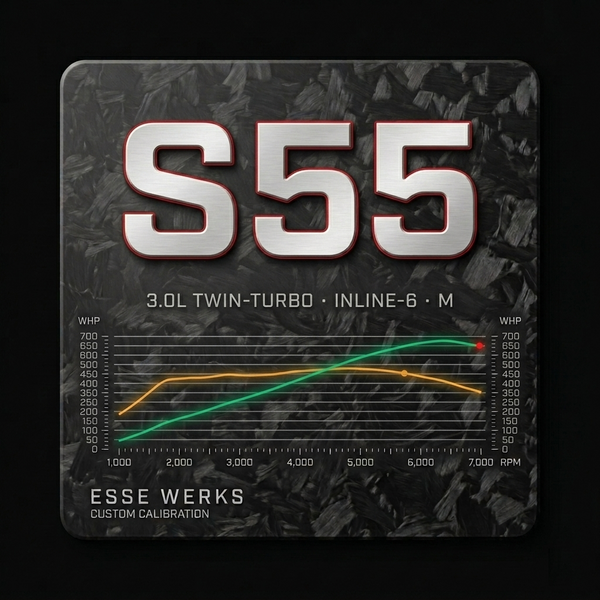
In factory trim the S55 makes 425 hp — 444 in the Competition — from a 3.0-liter twin-turbo six that spins to a 7,600-rpm redline on a pair of mono-scroll turbos. Those turbos leave the factory badly underworked. On full bolt-ons and E85, tuned S55s routinely make 580–630 wheel horsepower; a documented 100%-E85 build landed at 556 whp and that wasn't the ceiling. For a car you can now buy used for a fraction of its sticker, that's supercar-humbling output on the original hardware.
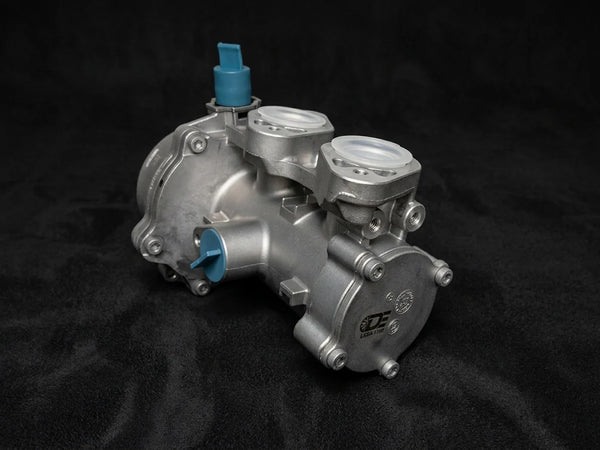
But there's a catch that defines every serious F80 build, and anyone who tells you otherwise hasn't done one: the crank hub. BMW held the S55's crank hub in time with a single bolt and friction — no keyway, no pins. Under the torque spikes of hard launches, aggressive downshifts, and raised power, the hub can slip, throw the engine out of time, and in the worst case bend valves. It's overwhelmingly a *tuned-car* failure, and it's the single most important thing to understand before you turn up a single map. The fix is well established — a pinned, one-piece crank hub (2-pin or 4-pin) — and on any build chasing the stock turbos' limits it isn't optional, it's the entry fee.
The rod bearings get raised in the same breath, usually with more fear than the evidence supports — high-mileage S55 teardowns keep coming back healthier than the forums predict. Treat them as a sensible interval item on a hard-driven car, not a countdown clock.
Put plainly: the F80 is a 600-horsepower car hiding behind a used-M3 price, and the cost of admission is doing the crank hub *first*. Build it in that order and you've got one of the genuine bargains in modern performance — the M3 the internet underrated, making the power its critics never saw coming.
Parts that fit the F80
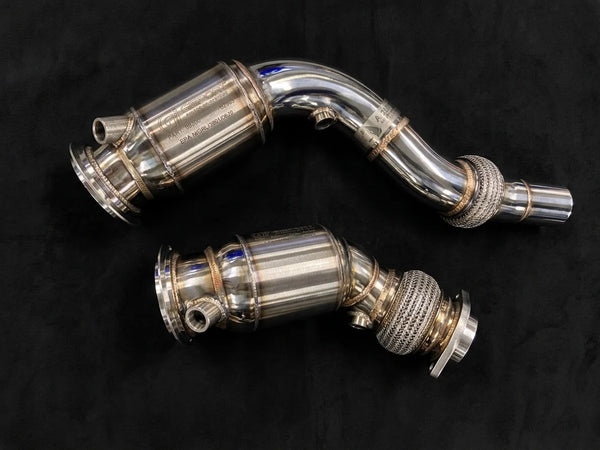
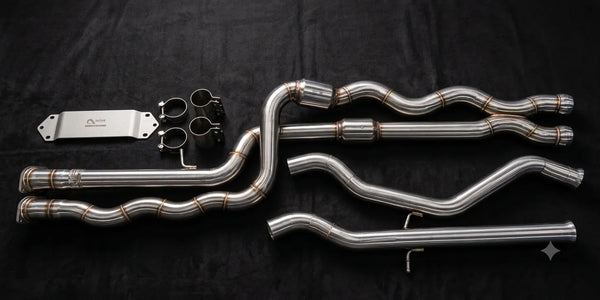
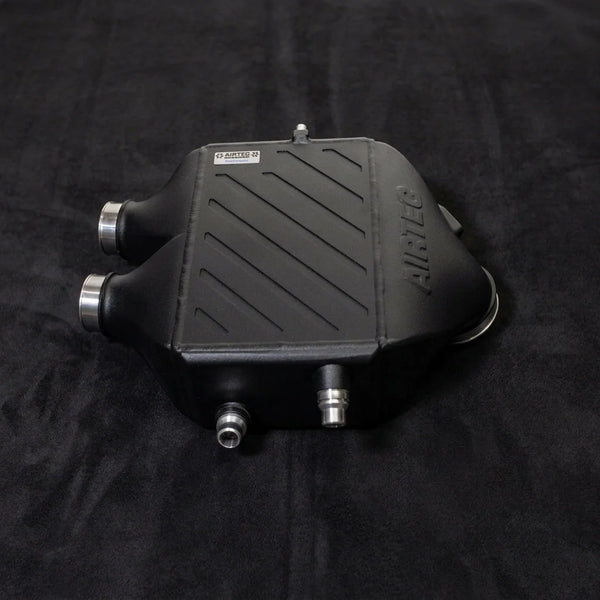
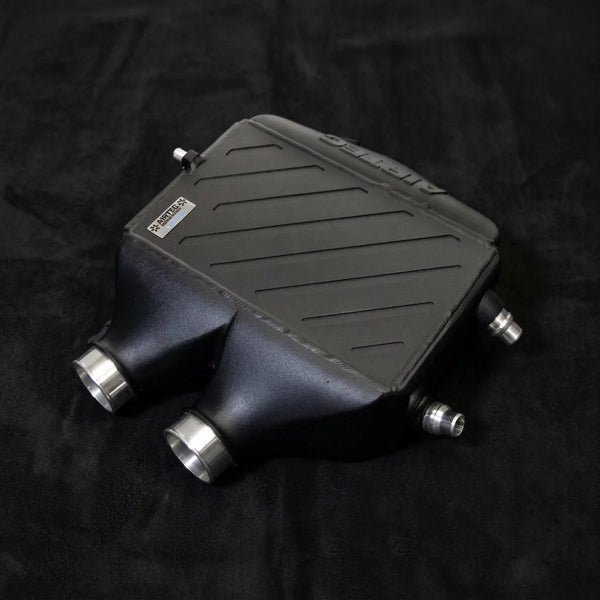
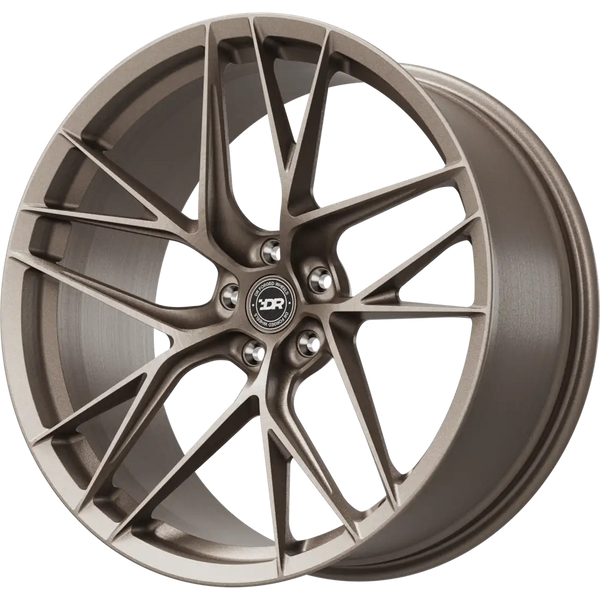
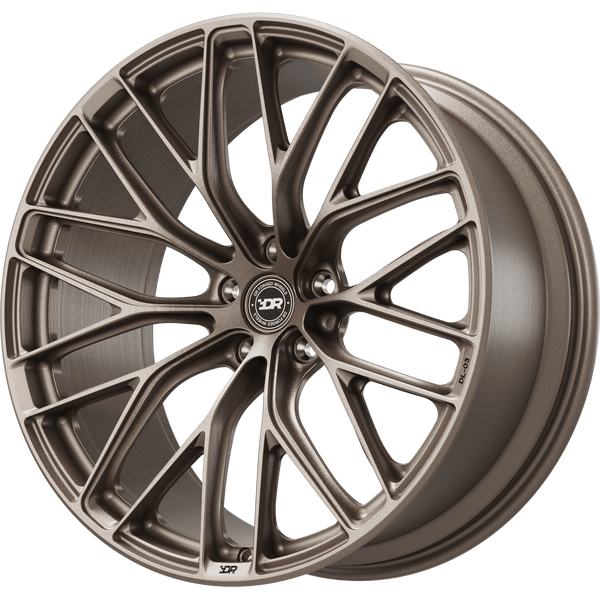
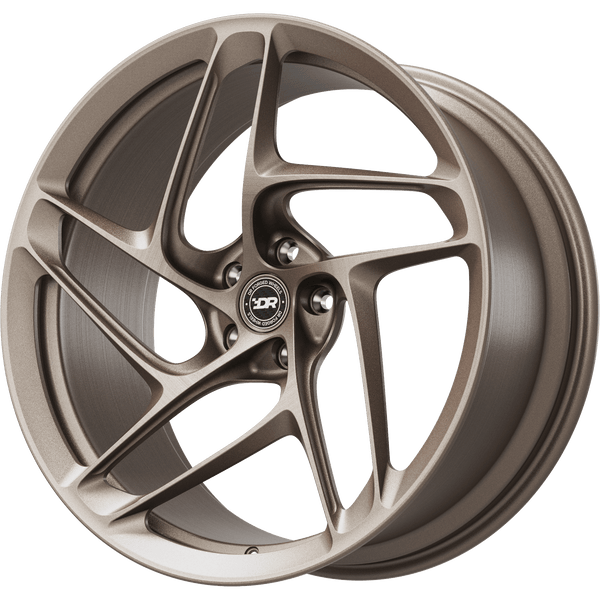
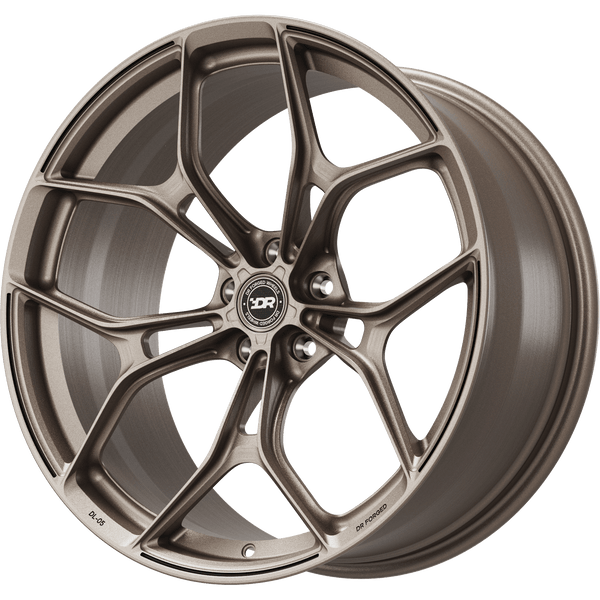
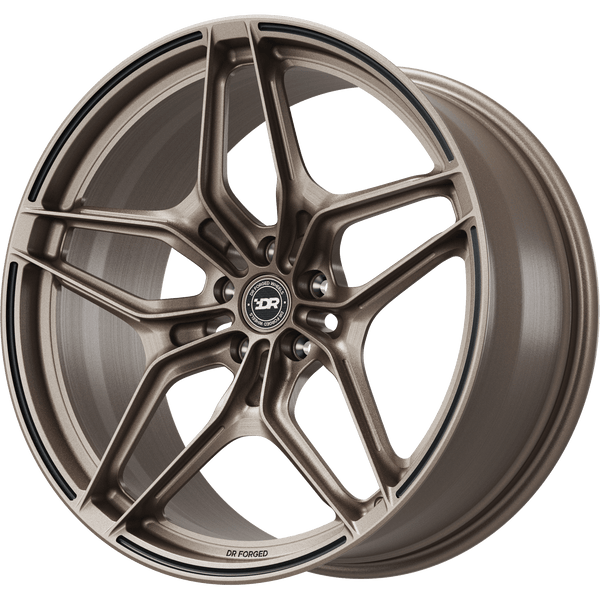
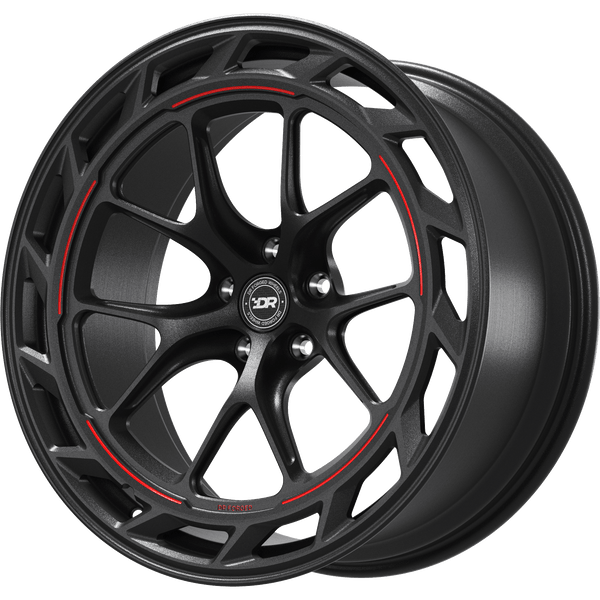
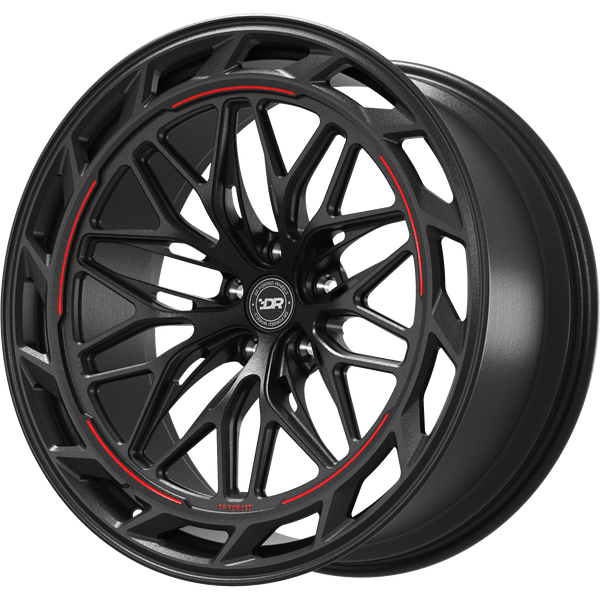
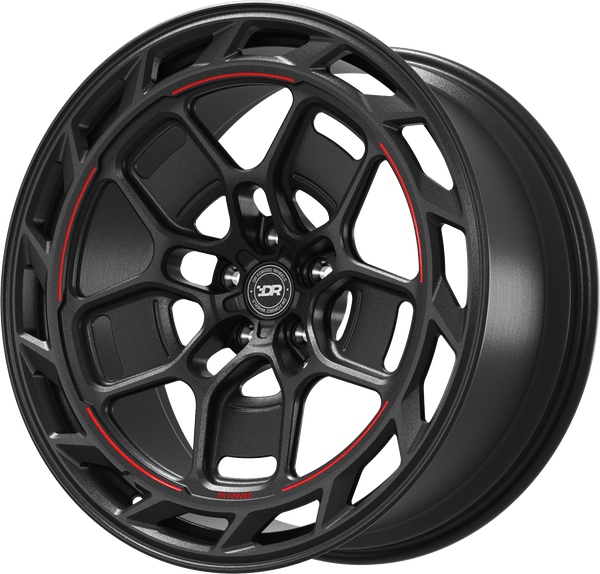
DR Forged wheels for the F80
Custom, made-to-order forged wheels — built to your car's spec, so any of them fits the F80. Pick the look; we build the fitment.
Tech essays for the F80
Upcoming events
Cars N Cigars Pines
Clean Culture SoFlo Showdown
Cars & Coffee Broward
Set the F80 as your garage vehicle and the rest of the store filters to what fits it.
Set vehicleBefore you tune.
Will my dealer flag the tune at service?
The bootmod3 flash is non-destructive and reversible. Revert to stock before a dealer appointment and the ECU is back to factory in a few minutes; re-flash after service. We document the revert step in writing so the next person opening your file knows what's there.
Is it safe for the engine?
Every tune we ship has been datalogged on the car it was written for. We look at knock counts, fuel trims, boost behavior, and intake temps before we sign off. If the numbers don't sit right, we revise. That review and the revision policy are built into what the tune costs.
How long until I have a working tune?
Most calibrations turn around in a few days. We log, review, and revise before anything ships — we would rather get it right than get it out fast.
Can I go back to stock?
Yes. bootmod3 supports a stock revert that returns the ECU to factory calibration in under five minutes. The flash is non-destructive — nothing in the BMW DME is permanently modified. Most owners revert before trade-in.